Smart Office Snacking Guide
Master the art of healthy eating in your workplace with practical strategies, proven techniques, and expert guidance designed specifically for busy office environments.
Portion Control Strategies
Maintaining proper portion sizes in the office environment can be challenging, but with the right strategies, you can develop healthy snacking habits that support your energy levels and overall well-being throughout the workday.
Visual Portion Guides
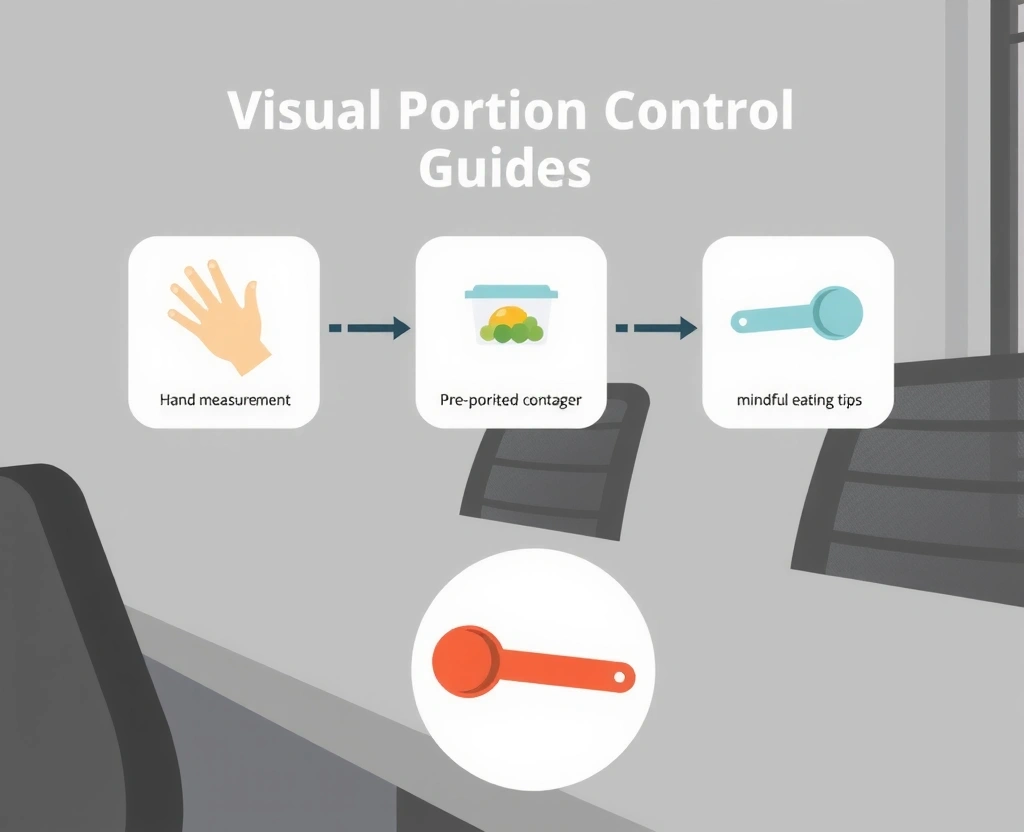
Use simple visual cues to estimate appropriate portion sizes when measuring tools aren't available. Your hand can serve as an excellent measuring guide: a palm-sized portion represents approximately 3-4 ounces of protein, while a cupped hand equals about 1/2 cup of nuts or dried fruit.
Practical Measurement Tips
- Pre-portion your snacks: Separate individual servings from large containers at the beginning of the week using small containers or bags
- Use the "plate method": Fill half your plate with fruits and vegetables, one-quarter with protein, and one-quarter with whole grains
- Practice the 20-minute rule: Wait 20 minutes before grabbing a second portion to allow your brain to register fullness
- Implement the "hand guide": Your fist = 1 cup, your palm = 3-4 oz protein, your thumb = 1 tablespoon, your thumb tip = 1 teaspoon
Mindful Eating Techniques
Develop awareness around your eating habits by eliminating distractions during snack time. Put away your phone, step away from your desk if possible, and focus entirely on the taste, texture, and satisfaction of your food. This practice helps prevent overeating and improves digestion.
Office-Friendly Tools
Invest in portion control tools that work in the office environment: small containers for pre-portioned snacks, a reliable water bottle to promote hydration (which often reduces snacking), and a small set of measuring spoons stored in your desk drawer for quick reference.
Meal Timing Guidelines
Strategic timing of meals and snacks can optimize your energy levels, prevent afternoon crashes, and support sustained focus throughout your workday.
Morning Boost (9:00 AM - 10:30 AM)
Start your day with a balanced snack combining protein and complex carbohydrates. This helps maintain stable blood sugar levels and provides sustained energy for morning tasks. Consider options like Greek yogurt with berries, whole-grain toast with avocado, or a handful of nuts with a piece of fruit.
Mid-Morning Refuel (11:30 AM - 12:00 PM)
As your breakfast energy begins to wane, timing a strategic snack can prevent overeating at lunch. Focus on protein and fiber combinations like vegetable sticks with hummus, cottage cheese with cucumber, or apple slices with almond butter.
Post-Lunch Energy (2:30 PM - 3:30 PM)
Combat the post-lunch energy dip with a light, energizing snack. Choose options that provide sustained energy without causing drowsiness: fresh fruit with nuts, vegetable soup, or a green smoothie. This timing helps maintain focus for the afternoon work block.
Late Afternoon Sustain (4:30 PM - 5:30 PM)
For those long workdays, a strategically timed snack can bridge the gap to dinner while maintaining energy and preventing late-night overeating. Opt for protein-rich options like hard-boiled eggs, cheese with whole-grain crackers, or a small portion of trail mix.
Avoiding Office Snack Pitfalls
Navigate common office snacking challenges with practical strategies that address stress eating, social pressures, and workplace food culture.
Stress eating is one of the most common office challenges, but recognizing triggers and implementing alternative coping strategies can break this cycle.
- Identify your triggers: Keep a brief log of when you reach for snacks out of stress rather than hunger
- Implement the 5-minute rule: When you feel the urge to stress snack, wait 5 minutes and engage in a different activity like a short walk or breathing exercises
- Create alternative coping mechanisms: Keep stress balls, fidget toys, or a playlist of energizing music at your desk
- Practice the STOP technique: Stop what you're doing, Take a breath, Observe your feelings, Proceed with intention
- Prepare stress-busting snacks: Keep herbal tea bags, peppermint gum, or cinnamon sticks available as oral alternatives
Office food culture often involves shared treats and group snacking. Setting clear boundaries while maintaining positive relationships requires thoughtful communication.
- Communicate your goals: Let colleagues know you're focusing on healthier eating in a positive way
- Offer alternatives: Suggest healthy snacks for office meetings or bring your own options to share
- Use the "celebration portion": If you want to participate in celebrations, take a very small portion and savor it mindfully
- Redirect social time: Suggest coffee dates, walking meetings, or other activities that don't revolve around food
- Practice polite refusal: Simple phrases like "That looks delicious, but I'm saving my appetite for lunch" work well
Transform your office snacking by replacing processed options with nutritious alternatives that satisfy similar cravings and provide better energy.
- Sweet cravings: Replace cookies with fresh fruit, dark chocolate-dusted almonds, or homemade energy balls
- Salty snacks: Swap chips for air-popped popcorn, roasted chickpeas, or sliced vegetables with guacamole
- Afternoon slump: Choose nuts and seeds over candy bars, or herbal tea over sugary coffee drinks
- Meeting munchies: Prepare cut vegetables, cheese cubes, or whole-grain crackers with hummus
- Celebration snacks: Bring fresh fruit kabobs, homemade trail mix, or veggie wraps to share
Understanding and working within your office's food culture while maintaining your health goals requires balance, flexibility, and strategic thinking.
- Assess the culture: Observe typical office snacking patterns and identify opportunities for positive change
- Lead by example: Bring attractive, healthy options that might inspire others to make better choices
- Create healthy traditions: Suggest fruit bowls, herbal tea stations, or walking lunch groups
- Stay flexible: Allow occasional treats while maintaining consistency with your overall healthy approach
- Build support systems: Find like-minded colleagues who share similar health goals for mutual encouragement
Quick Reference Tips
The 3-2-1 Rule
Limit yourself to 3 snacks per day, choose 2 healthy options, and include 1 protein source in each snack to maintain steady energy levels.
Emergency Snack Stash
Keep these office-ready options: nuts, dried fruit, whole-grain crackers, and individual nut butter packets for quick, satisfying snacks.
The Water First Strategy
Before reaching for any snack, drink a full glass of water. Often, dehydration masquerades as hunger, and proper hydration reduces unnecessary snacking.
The 80/20 Principle
Make healthy choices 80% of the time, allowing flexibility for special occasions and office celebrations. This sustainable approach works long-term.
Daily Habit Checklist
- ✓ Pack 2-3 healthy snacks each morning
- ✓ Keep a full water bottle at your desk
- ✓ Set snack time reminders on your phone
- ✓ Eat mindfully, away from your workspace
- ✓ Check in with your hunger before snacking
- ✓ End each day feeling satisfied, not deprived
Ready to Transform Your Office Snacking?
Start implementing these strategies today and experience the benefits of sustained energy, better focus, and improved overall health in your workplace.